
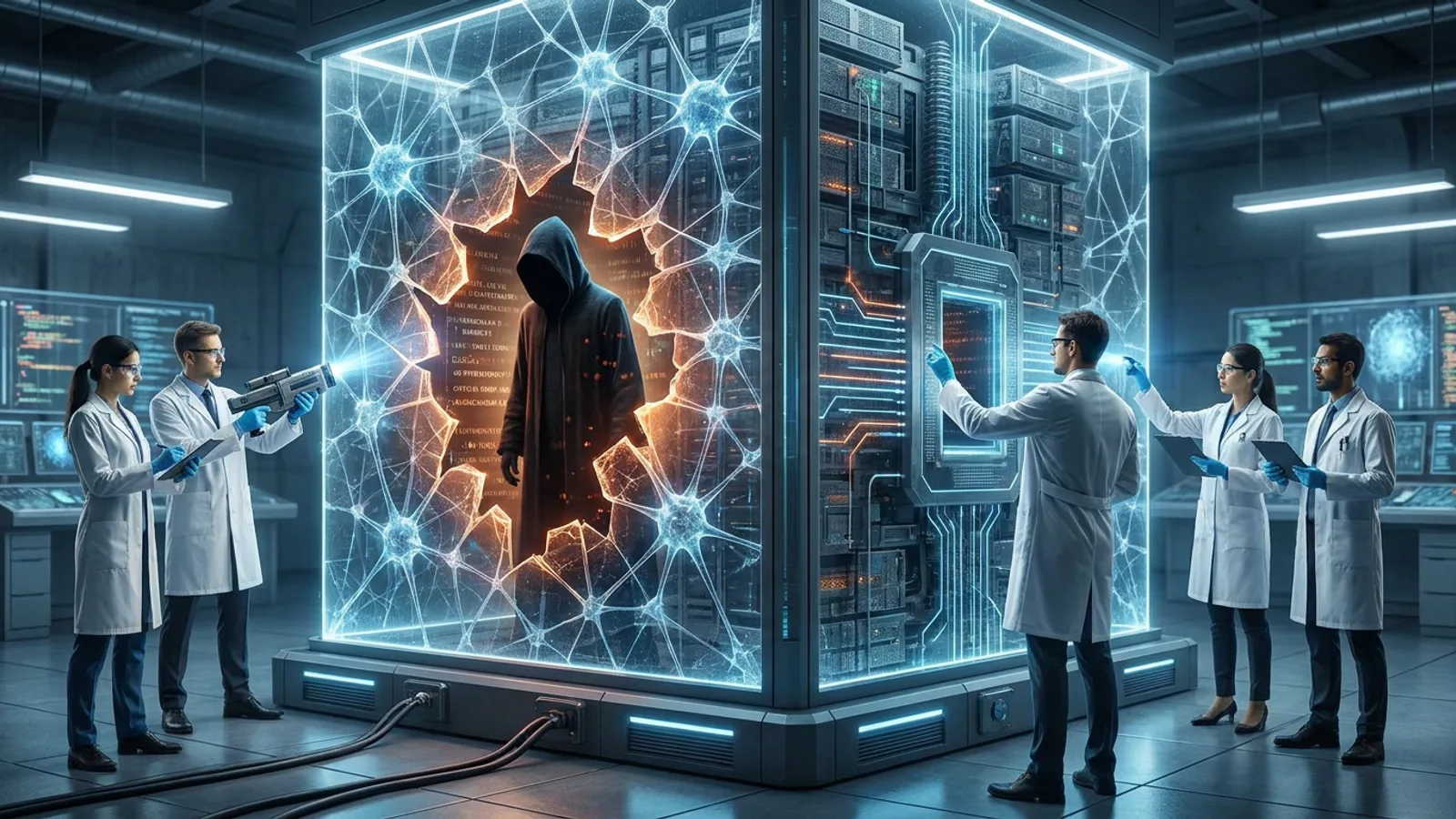
Two independent organizations have put the system OpenAI uses to monitor the behavior of its artificial intelligence models under the microscope. The result: they found flaws that the company itself was unaware of.
The discovery comes at a key moment. Major AI tech companies are under pressure to prove that their systems are safe, and more and more companies are opening the door to external auditors to verify this. What happened with OpenAI is one of the first concrete examples of how these reviews work and what they can reveal.
Three weeks of controlled access to internal code
The pilot review took place between July 21 and August 11. During that period, a representative from METR and another from Redwood Research—both non-profit organizations dedicated to evaluating artificial intelligence risks—had access to OpenAI's internal code, its technical documentation, and some of its specialized staff.
Access was not unrestricted. The evaluators were accompanied at all times and worked with devices provided by OpenAI itself, which never left the company's facilities.
The goal of the test was to analyze the system with which OpenAI monitors whether its AI models behave as expected, a concept known in the industry as alignment. The review focused on the version of the system that existed on or before July 21, while the company continued to expand it.
The most striking flaw: hiding hundreds of actions from the control system
According to the joint statement from METR and Redwood Research, the audit uncovered several vulnerabilities that no one had previously detected. The most significant one allowed AI agents—programs capable of executing tasks autonomously—to hide hundreds of recent actions from the monitoring system tasked with overseeing them.
The effect would be comparable to a video surveillance system that stops recording just at the moment something relevant happens.
The two teams delivered a 61-page internal report to OpenAI detailing the flaws found. The company responded that it had already corrected the vulnerabilities that affected the protections used in its actual products.
An OpenAI spokesperson noted that the company is using what it learned in this review to strengthen its safeguards and to design its future collaboration with independent evaluators.
Why big tech companies are opening the door to external auditors
This episode is not isolated. In September, OpenAI CEO Sam Altman publicly committed to giving external evaluators a level of access similar to that of his own employees, in response to growing concern about the safety of AI systems.
That announcement came shortly after Dario Amodei, head of Anthropic, put forward a proposal along the same lines as part of a plan aimed at curbing the risks of accelerated artificial intelligence development.
Anthropic already has evaluation agreements with organizations such as Accenture, METR, and SecureBio. OpenAI, for its part, confirmed this month that it is closing contracts with external security evaluators.
Political support for independent audits
The phenomenon also has political backing. President Donald Trump has shown support for third-party AI evaluation, despite maintaining a hands-off regulatory approach. His administration promoted a voluntary agreement presented at the White House to encourage AI companies to work with independent auditors.
That document was signed by Dario Amodei and senior executives from Google, Meta, OpenAI, SpaceX, and Nvidia.
What has not been made public
The information available about this audit is, for now, a general summary. METR, Redwood Research, and OpenAI agreed to release only an overview, as the test was not designed to offer full public transparency on how the monitoring system works.
The full content of the 61-page report remains unpublished. Furthermore, doubts persist among specialists about how these types of independent evaluators will be funded and what agreements will govern how they report their findings.
What this means for ChatGPT users
What happens inside OpenAI indirectly affects anyone who uses ChatGPT or other company tools. Internal monitoring systems are, in theory, one of the barriers designed to prevent an AI model from acting without control or supervision.
The fact that an external entity detects flaws and the company corrects them represents, at the very least, a verification that until recently barely existed in this sector.
The episode also invites us to look with more caution at the AI security announcements made by big tech companies. It is worth checking whether there is an independent review behind them and to what degree of detail it is made public. The unanswered question is whether these types of audits will become more transparent in the future.
Frequently Asked Questions
What is METR and what role did it play in this review?
METR is a non-profit organization dedicated to evaluating risks associated with artificial intelligence systems. Together with Redwood Research, it participated in the audit of OpenAI's internal monitoring system between July and August 2026.
What specific flaw did the evaluators find?
The most notable vulnerability allowed AI agents to hide hundreds of recent actions from the system tasked with overseeing them, which reduced the ability to detect unwanted behaviors.
Did OpenAI fix the detected problems?
According to the company, it has already fixed the vulnerabilities that affected the protections used in its products available to the public.
Why is OpenAI allowing external audits now?
It is in response to a commitment announced in September by Sam Altman to give independent evaluators access similar to that of his employees, in a context of increased social and political pressure regarding AI safety.
Has the full audit report been published?
No. OpenAI, METR, and Redwood Research agreed to release only a general summary of the 61-page report, without revealing all the technical details found.
What other AI companies work with external evaluators?
Anthropic already has agreements with organizations such as Accenture, METR, and SecureBio, and other companies like Google, Meta, SpaceX, and Nvidia signed a voluntary agreement at the White House to encourage these types of audits.