
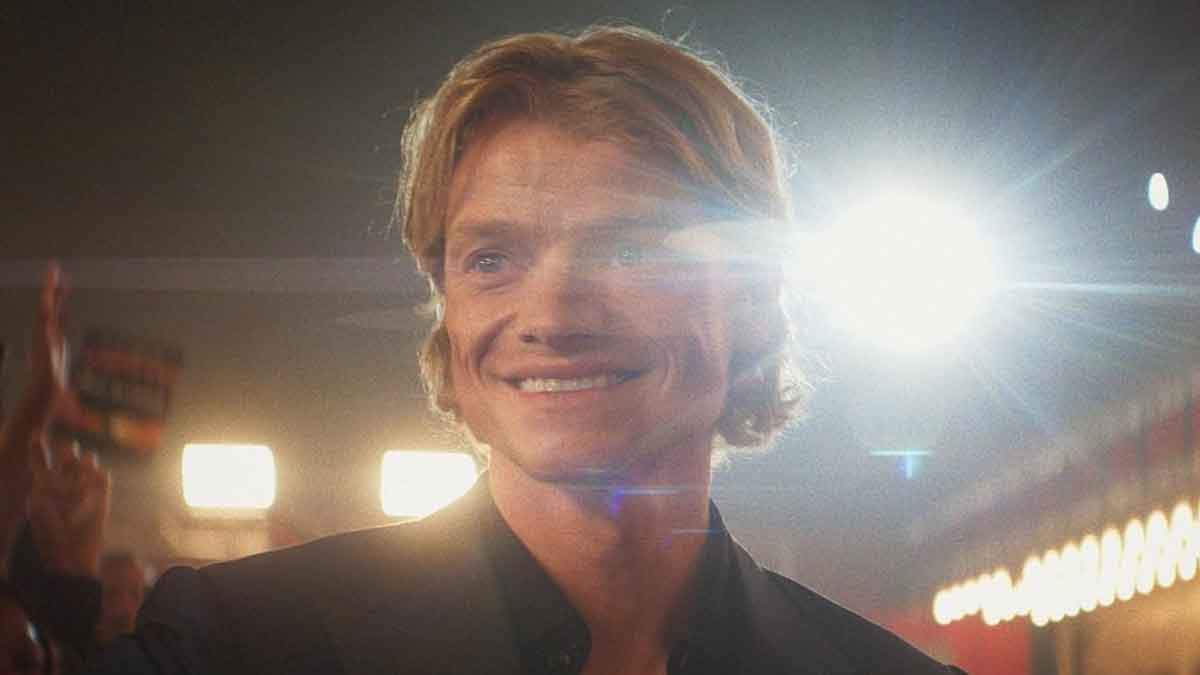
The arrival of Clayface in theaters on October 23 has reignited a debate that has been circulating among DC Universe (DCU) fans for months: what kind of Gotham City is James Gunn building for his new cinematic era? The first reviews of the film, directed by James Watkins, have focused on a specific aspect that is generating noise even before its worldwide release.
The issue is particularly relevant because it coincides with the recent confirmation that The Brave and the Bold, the film that will introduce the new Batman and his son Damian Wayne under the direction of Andy Muschietti, underwent creative adjustments to ensure it did not overlook the legacy of previous Robins, such as Dick Grayson, Jason Todd, or Tim Drake. In that context, any aesthetic decision regarding Gotham in Clayface is being read as a clue to what is to come.
What critics are saying about the Gotham in Clayface
One of the most repeated points made by the specialized press is the lack of a distinct visual identity for the city that appears in Clayface. Over the years, Gotham has had very marked representations: the Gothic and Art Deco style of Tim Burton, the claustrophobic metropolis of Christopher Nolan, or the stylized, detective-noir vision of Matt Reeves. Faced with that history, several critics describe Watkins' Gotham as a generic city, lacking a signature that distinguishes it.
The specialized portal ComicBookMovie.com was particularly harsh in its assessment of the film. In its review, the outlet noted that Tom Rhys Harries stands out in the lead role, but described the film as an unoriginal proposal that fails to generate enough horror or take advantage of the unique personality found in the comics. The text even compared it to the critical failure that Morbius represented for Sony, suggesting that Clayface could become a similar case within the DC catalog.
Other analyses agree that the film wastes the setting of Gotham's show business and underworld, a terrain that series like The Penguin or competing productions, such as Marvel's Wonder Man, have managed to exploit with greater narrative and visual strength.
James Gunn’s oversight and the lack of visual cohesion
The absence of distinctive elements in the urban design of Clayface raises questions about the internal coordination of the DCU. James Gunn maintains final creative control over all productions in the shared universe, so it is striking that there are no unified visual guidelines between the team behind Clayface and Andy Muschietti's team on The Brave and the Bold.
This lack of coherence is even more apparent when compared to the Elseworlds franchise, the label under which Matt Reeves' The Batman saga is developed, which is recognized for maintaining a dense, detailed, and coherent atmosphere in every installment.
An opportunity to correct course before Batman’s return
Despite the unenthusiastic impressions regarding the urban design in Clayface, the studio still has room to redefine what Gotham City will look like before Batman formally debuts on the big screen within the DCU. The public's reaction to this first approach to the city could become a useful reference for adjusting the level of detail in future projects.
Refining the art direction is emerging as a necessary step so that the streets the Dark Knight will traverse convey the tragic, somber, and imposing character that has historically defined the character.
The challenge of differentiating the DCU from other successful versions of Batman
The greatest challenge for the era led by Gunn and Peter Safran consists of offering a version of the hero and his city capable of coexisting in the market with proposals already acclaimed by critics and audiences. That coexistence requires more careful work in defining tones, color palettes, and architectural styles that clearly differentiate the DCU from other franchises.
The success of this new shared universe in building its own identity, capable of attracting both lifelong comic book readers and new audiences around the world, will depend largely on that evolution.
The role of villains like Clayface in building Gotham
Historically, Batman's gallery of villains has functioned as a mirror of the moral and institutional decay of Gotham. The arrival of characters with a tragic background and corporate horror elements, like Clayface, seeks to expand the nuances of organized crime in the city, showing the consequences of corruption in its deepest layers.
Although the first reactions to the visual aspect have been a source of controversy, the incorporation of these types of antagonists lays the narrative foundations to justify, later on, the need for an extreme vigilante figure like Batman in Gotham.
Clayface, directed by James Watkins and starring Tom Rhys Harries, will hit theaters worldwide on October 23.
Frequently asked questions about Clayface and the DCU Gotham
When does Clayface premiere in theaters?
The film is scheduled for a worldwide release on October 23.
Who directs Clayface and who is the lead actor?
The film is directed by James Watkins and stars Tom Rhys Harries in the lead role.
Why are they criticizing the design of Gotham in Clayface?
Several specialized outlets, including ComicBookMovie.com, point out that the Gotham shown lacks its own architectural identity, unlike previous versions such as those by Tim Burton, Christopher Nolan, or Matt Reeves.
Is Clayface part of James Gunn’s new DC Universe?
Yes, the film is part of the DCU, the shared universe creatively overseen by James Gunn and Peter Safran.
What is the relationship between Clayface and the future Batman film?
Clayface is being analyzed as a first visual approach to Gotham within the DCU, which generates expectations and doubts about the design that will be used in The Brave and the Bold, the film focused on the new Batman and Damian Wayne directed by Andy Muschietti.
What do critics think of the film in general?
The first reviews, such as that of ComicBookMovie.com, describe the film as unoriginal and weak in the horror department, despite highlighting the performance of Tom Rhys Harries, even comparing it to the negative impact that Morbius had for another superhero franchise.