
The processing of the Cinema and Audiovisual Culture Bill is entering a decisive phase in the Congress of Deputies, and the independent production sector is making its voice heard once again. The main Spanish production federations and associations have warned that the regulation must incorporate their contributions before advancing toward final approval.
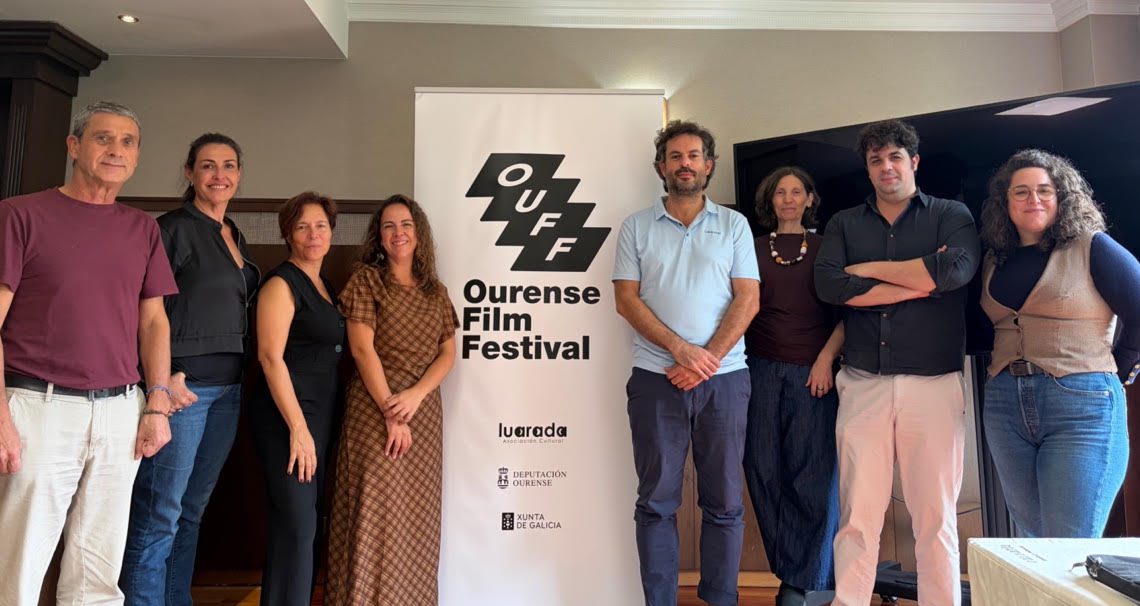
The warning comes from the Audiovisual Producers Platform (P.A.P.), which held its IV State Meeting during the 31st edition of the Ourense International Film Festival (OUFF). The meeting served to share the sector's main concerns at a key moment for the future regulatory framework of the audiovisual industry in Spain.
Concern regarding the upcoming report in Congress
The meetings were held just before the upcoming report on the Cinema and Audiovisual Culture Bill in the Congress of Deputies. In this context, the organizations that make up P.A.P. expressed their concern that the progress of the legislative process might not effectively incorporate the proposals of the independent sector.
For these organizations, it is essential that the new regulation responds to the reality and specific needs of independent production companies, a group that represents a very significant part of the Spanish audiovisual fabric.
The definition of an independent producer, the central point
One of the aspects that most concerns P.A.P. is the definition of an independent production company that the Law will ultimately adopt. According to the platform, this formulation will determine whether the regulation guarantees true independence, preserves these companies' decision-making power over their own projects, and recognizes their creative, cultural, and industrial role.
The organizations believe that any other formula would compromise the effectiveness of the measures provided for in the Law to protect and consolidate this sector, which is described as essential for Spanish audiovisuals and culture.
Other key issues for the sector
During the meeting, other elements of concern to independent producers were also addressed, including:
- The evolution of public policies supporting production.
- Existing tax incentives for the sector.
- The financing of audiovisual works.
- Cinematic release windows.
- The protection of production in the various co-official languages of the State.
For P.A.P., the recognition of the independent producer's role within the audiovisual ecosystem is another fundamental point. The platform argues that this recognition must translate into adequate conditions for financing, decision-making capacity, and legal certainty, both in their relationships with institutions and with television networks and platforms.
A sector calling for permanent dialogue
The organizations that make up P.A.P. agreed on the need to maintain and deepen dialogue with institutions during the Law's processing. They also stressed the importance of strengthening the independent sector's joint work and tightening ties with other audiovisual stakeholders.
The goal, they explained, is to coordinate the response to the changes the audiovisual industry is undergoing and to contribute to a plural, diverse, and sustainable model.
What is the Audiovisual Producers Platform
The P.A.P. platform represents more than 90% of Spanish independent production. It is made up of more than 750 companies distributed throughout the national territory, grouped into several entities:
- AECINE, State Association of Independent Film Production Companies.
- DIBOOS, Spanish Federation of Animation and Visual Effects Production Companies.
- PIAF+MAPA, Spanish Federation of Independent Audiovisual Production Companies, which includes AGAPI (Galician Association of Independent Production Companies), the host entity of the meeting in Ourense.
- PROA, Federation of State Production Company Associations.
- PROFILM, an association of production companies that provide services to international shoots in Spain.
Frequently Asked Questions
What is the Audiovisual Producers Platform (P.A.P.)?
It is a group that brings together the main federations and associations of independent production companies in Spain, representing more than 90% of the country's independent production, with more than 750 associated companies.
What is the Cinema and Audiovisual Culture Bill?
It is the new regulation currently being processed in the Congress of Deputies that seeks to update the legal framework of the Spanish audiovisual sector, including aspects such as financing, tax incentives, and the protection of independent production.
Why are producers concerned about the definition of an independent company?
Because that definition determines whether the Law guarantees the true independence of these companies, their decision-making power over projects, and the recognition of their creative, cultural, and industrial role.
Where was the IV State Meeting of P.A.P. held?
It was held in Ourense, within the framework of the 31st edition of the Ourense International Film Festival (OUFF), organized with the collaboration of AGAPI, the Galician Association of Independent Production Companies.
What other topics were discussed at the meeting besides the Cinema Law?
They addressed public policies to support production, tax incentives, the financing of works, cinematic release windows, and the protection of production in co-official languages.