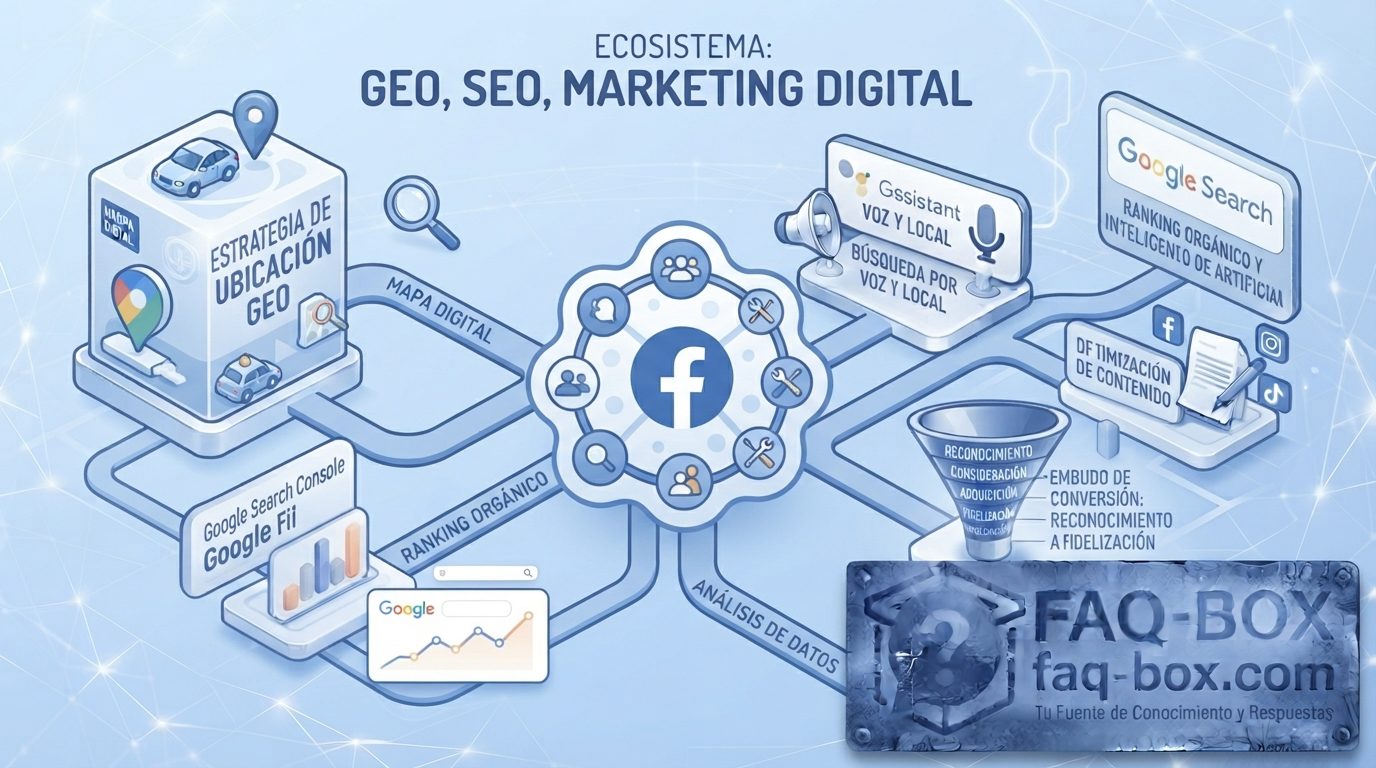
What is Generative Engine Optimization (GEO)?
Generative Engine Optimization (GEO) is an emerging strategy designed to optimize content for generative search engines, such as those based on advanced artificial intelligence (AI). These systems, like those powered by
OpenAI or
Google's Search Generative Experience (SGE), generate dynamic, contextualized answers based on complex queries.Unlike traditional SEO, which optimizes content for rankings on search results pages (SERPs), GEO focuses on improving the likelihood that an AI will generate accurate and relevant answers based on a website's content. This includes aspects such as clarity, data structure, and semantic richness.
Key Differences Between GEO and Traditional SEO
1. Focus on AI vs. Search Algorithms
Traditional SEO is designed to interact with search algorithms that rank web pages based on factors such as keywords, backlinks, and domain authority. GEO, on the other hand, focuses on how AI models interpret, summarize, and generate content in real time.
2. Content Structuring
In SEO, optimization relies on techniques such as the use of HTML tags (H1, H2, meta descriptions) and keyword density. GEO requires more advanced structuring, such as the use of structured data (
Schema.org) and contextualized content to facilitate AI interpretation.
3. User Experience
Traditional SEO seeks to improve visibility on SERPs to attract clicks. GEO, on the other hand, prioritizes the quality and relevance of content so it can be used directly in AI-generated answers, reducing the need to visit the original website.
4. Success Metrics
In SEO, key metrics include organic traffic, CTR (Click-Through Rate), and rankings. In GEO, success is measured by how often a website is cited or referenced in generative answers and the accuracy of those mentions.
The Impact of GEO on the Future of Web Optimization
GEO is redefining how businesses and content creators position themselves online. Platforms like
Bing Chat and AI tools are integrating generative answers into their results, increasing the importance of optimizing for these systems. According to a study by
Search Engine Land, 40% of users prefer immediate answers over visiting multiple websites.
Frequently Asked Questions (FAQs)
Will GEO replace traditional SEO?
Not necessarily. Both strategies can coexist, since SEO remains relevant for ranking in traditional SERPs, while GEO is crucial for optimizing content in generative engines.
What tools are used for GEO?
Tools like
DeepAI and structured data analysis platforms are essential for implementing effective GEO strategies.
How does GEO affect content creation?
GEO requires a stronger focus on accuracy, clarity, and data structuring, which means a shift in how content is written and organized.